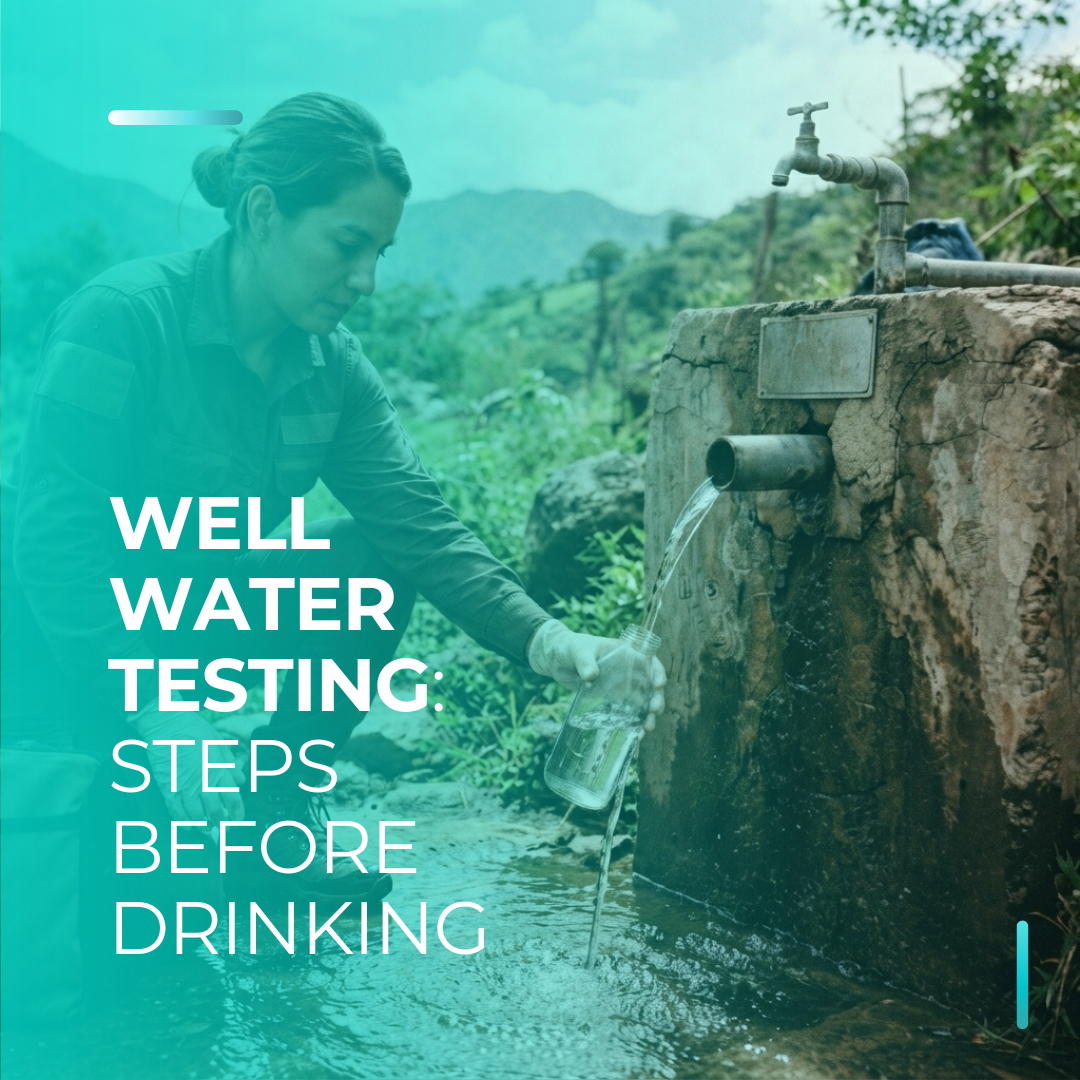
Planning a water well on your property? How to assess drinking water quality
Well water testing: steps before drinking
If you are building a home, developing accommodation or planning a well on your property in Limón, you probably have an essential question: will the water be suitable for drinking and cooking?
Well water testing helps evaluate the parameters included in the analysis and identify problems that may otherwise go unnoticed. Clear water with no unusual smell or taste is not enough to establish drinking water safety.
At Bioclinic, we perform physical, chemical and microbiological analyses to assess water quality. Here, we explain what to consider before building a well, how to arrange testing and how to use the results.
Well water testing: steps before drinking
1. Check the requirements before starting construction
Before digging or drilling, check the requirements that apply to your property and proposed water use. Conditions may depend on the type of well, its location and the intended purpose.
Costa Rica’s MINAE Water Directorate is an official starting point for enquiries about the relevant procedures. You should also seek technical advice to assess the land and the feasibility of your project.
Keep two matters distinct: the authorisations associated with constructing and using a well, and the assessment of water quality. A laboratory report provides analytical information. It does not replace the applicable permits or the technical assessment needed to develop the water supply.
2. Assess the site and potential contamination sources
Location deserves attention from the outset. With the professional responsible for your project, review nearby septic systems, wastewater, agricultural activities, fuel storage and other potential contamination sources.
Drainage, previous flooding and ground conditions also need consideration. These factors help identify risks and guide the protection of the water source.
The World Health Organization highlights the importance of protecting drinking water from its source. Testing should therefore accompany an assessment of the surrounding area. A satisfactory sample result cannot correct an unsuitable location or prevent contamination from occurring later. Site protection and water analysis serve complementary purposes.
3. Build a system that protects the water
Qualified personnel should oversee the design and construction. Protecting the well opening, providing appropriate sealing and managing surface water help reduce possible routes of contamination.
Before the well enters use, the responsible professional should specify the necessary commissioning work. Depending on the installation, this may include cleaning, disinfection and checks of the supply system.
Arrange well water testing with these activities in mind. Tell us about recent treatments or maintenance so we can plan sampling appropriately and understand the conditions under which the sample is collected. The timing of a sample can affect the question its results answer.
4. Decide which analyses you need
Testing should reflect the intended use and the risks identified. No single result describes every possible characteristic of a water supply.
At our laboratory, we provide analyses covering complementary areas:
- Physical characteristics: properties such as turbidity and colour.
- Chemical and physicochemical characteristics: parameters such as pH and other components included in the requested study.
- Microbiological characteristics: indicators that help assess bacterial contamination.
Our drinking water testing guide explains the available services, including bacteriological testing and N1 analysis. Before arranging the service, we confirm the scope of testing and the sample requirements with you, so you understand what the report will cover.
5. Understand what each test can tell you
Bacteriological testing can investigate indicators including total coliforms, faecal coliforms and Escherichia coli. These findings provide relevant information for assessing the sanitary condition of the water.
Physical and chemical analyses, meanwhile, describe characteristics that bacteriological testing alone cannot establish. Additional parameters may be needed according to the surrounding activities and the purpose of the investigation.
For example, a specific concern about chemical contamination calls for tests targeting the substances involved. Satisfactory microbiological results do not establish that those substances are absent. At Bioclinic, we explain the scope of the requested analyses and help you identify questions that may require further investigation.
6. Arrange sampling before collecting water
Incorrect sampling can affect results. Contact us before filling a bottle or bringing water to the laboratory.
The appropriate container, sampling point, preservation and transport conditions depend on the analysis. For our N1 service, we coordinate sample collection by laboratory personnel according to the service requirements.
Tell us whether the water comes directly from the well or passes through filters, disinfection equipment or other treatment. Testing the source water and testing water at the point of use answer different questions. Choosing the right location helps ensure the report addresses your concern and provides useful information for the next decision.
7. Review the findings before using the water for drinking
Interpretation should consider the parameters tested, the sampling location and the recorded conditions. Assessing drinking water suitability requires checking the scope of the study and the applicable criteria.
If a result identifies a problem, investigate the cause and determine corrective measures with competent professional advice. Further testing may then be necessary to assess whether those measures have worked.
Do not select a filter solely because the water looks cloudy or tastes unpleasant. Different treatments address different problems. The CDC explains how household water treatment systems vary. Boiling also does not remove every chemical contaminant, so treatment decisions need to reflect the identified concern.
8. Continue monitoring and speak with our team
Water quality can change. Repairs, flooding, changes to treatment or suspected contamination may justify another assessment.
Keep laboratory reports and record maintenance and other interventions. The monitoring schedule should reflect the intended use, identified risks and applicable requirements rather than an assumed universal interval.
If you need well water testing in Talamanca, Puerto Viejo or Limón, at Bioclinic we help you arrange physical, chemical and drinking water quality analyses. Contact our team and tell us where your property is located, how you plan to use the water and the current stage of your project.
BLOG
Urine culture and sensitivity: when a urinary infection returns
October 29, 2026
Hepatitis A: how it spreads and when to seek care
October 15, 2026
Leptospirosis in Limón: Prevention and Symptoms
September 17, 2026

Vitamin B12: signs you should not ignore
May 13, 2026
Glycemic curve: how your body manages sugar
May 06, 2026