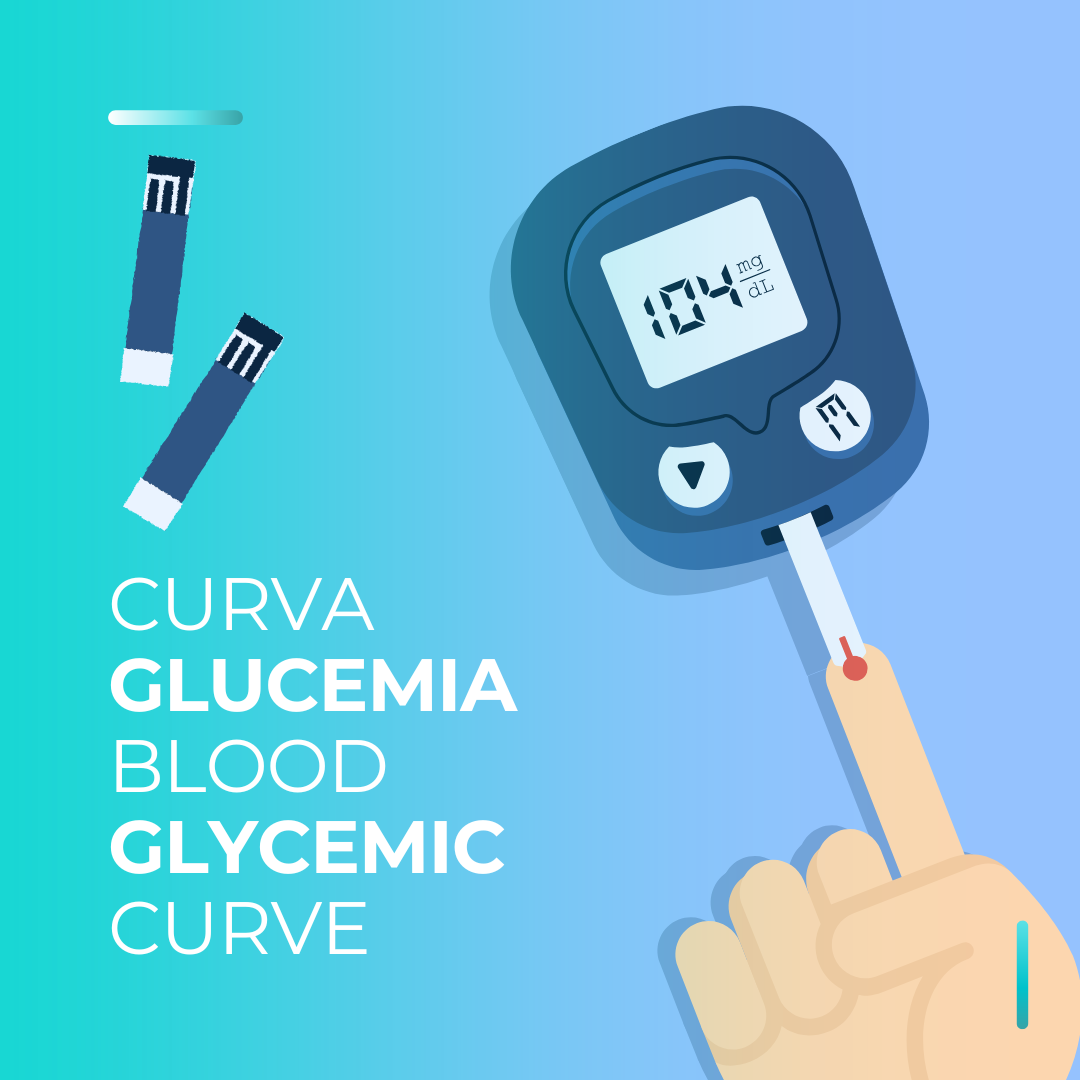
Glycemic curve: how your body manages sugar
A key test to detect diabetes early and prevent complications
Taking care of your health begins with one essential step: being informed and acting early. In modern clinical practice, laboratory testing plays a crucial role in detecting conditions before symptoms appear.
One of the most important tests in this field is the glycemic curve, also known as the oral glucose tolerance test.
This test is widely used in clinical laboratories because it evaluates how the body regulates blood glucose after sugar intake. At Bioclinic, a clinical laboratory in Puerto Viejo and Limón Centro, this test is part of routine metabolic evaluation services, providing reliable and accurate diagnostic results. From a microbiological and metabolic perspective, this test provides key insights into pancreatic function and insulin activity—two essential components for maintaining the body’s balance.
According to the several laboratories, the glucose tolerance test measures how efficiently the body processes sugar and helps detect type 2 diabetes or prediabetes before noticeable symptoms develop.
What is a glycemic curve?
The glycemic curve is a blood test that evaluates how the body processes glucose over time. Unlike a fasting glucose test, which provides a single measurement, this test tracks glucose levels after consuming a standardized glucose solution.
According to MedlinePlus, this test determines how quickly glucose is cleared from the bloodstream, making it essential for diagnosing diabetes and related conditions.
What is this test used for?
The glycemic curve is a powerful diagnostic tool used to identify:
- Prediabetes
- Type 2 diabetes
- Insulin resistance
- Gestational diabetes
One of its greatest advantages is its ability to detect these conditions before symptoms appear, which is critical for prevention and early intervention.
The World Health Organization highlights that early detection of noncommunicable diseases, including diabetes, is essential to reduce long-term complications.
How is the glycemic curve performed?
The procedure is simple but requires preparation:
- Fasting for at least 8 hours
- Initial blood sample collection
- Drinking a glucose solution (usually 75 grams)
- Additional blood samples taken at specific intervals (typically 1 and 2 hours)
This process allows healthcare professionals to observe how the body responds to sugar intake and whether glucose levels return to normal efficiently.
Understanding the results
The results of a glycemic curve test help classify metabolic status:
- Normal: less than 140 mg/dL after 2 hours
- Prediabetes: between 140 and 199 mg/dL
- Diabetes: 200 mg/dL or higher
These values are widely accepted clinical thresholds and are used to guide diagnosis and treatment decisions.
Why is this test important?
From a clinical and microbiological perspective, glucose regulation is one of the most critical processes in the human body. When this system fails, it can affect multiple organs and systems, including:
- Cardiovascular system
- Nervous system
- Kidneys
- Immune system
Early detection through tests like the glycemic curve allows:
- Prevention of chronic diseases
- Early lifestyle and dietary interventions
- Better long-term health outcomes
- Reduced risk of complications
Additionally, insulin resistance—a condition that often precedes diabetes—can be identified through this test, making it a key preventive tool.
Who should take this test?
The glycemic curve is recommended for:
- Individuals with a family history of diabetes
- People who are overweight or obese
- Individuals with abnormal fasting glucose levels
- Pregnant women (to screen for gestational diabetes)
- Adults over 45 years old
It is also advisable as part of a general health check, even for individuals without symptoms.
Glycemic curve and prevention
The most important takeaway is clear:
many diseases can be prevented when detected early.
The glycemic curve is not only a diagnostic tool but also a preventive strategy. In a world where diabetes is increasingly common, early testing is essential to maintaining long-term health.
Conclusion
The glycemic curve is one of the most comprehensive tests for evaluating glucose metabolism. Its ability to detect prediabetes, diabetes, and insulin resistance makes it a cornerstone of preventive medicine.
Taking care of your health starts with awareness and prevention. A simple blood test can provide valuable insights into your current condition and help you make informed decisions about your future well-being.
BLOG

Leptospirosis in Limón: Prevention and Symptoms
September 17, 2026

Vitamin B12: signs you should not ignore
May 13, 2026
Glycemic curve: how your body manages sugar
May 06, 2026
Month 5 is here: Take care of your health
May 01, 2026
What is gonorrhea and how does it affect your health?
April 14, 2026
Diabetes health and control: World Diabetes Day
November 15, 2025