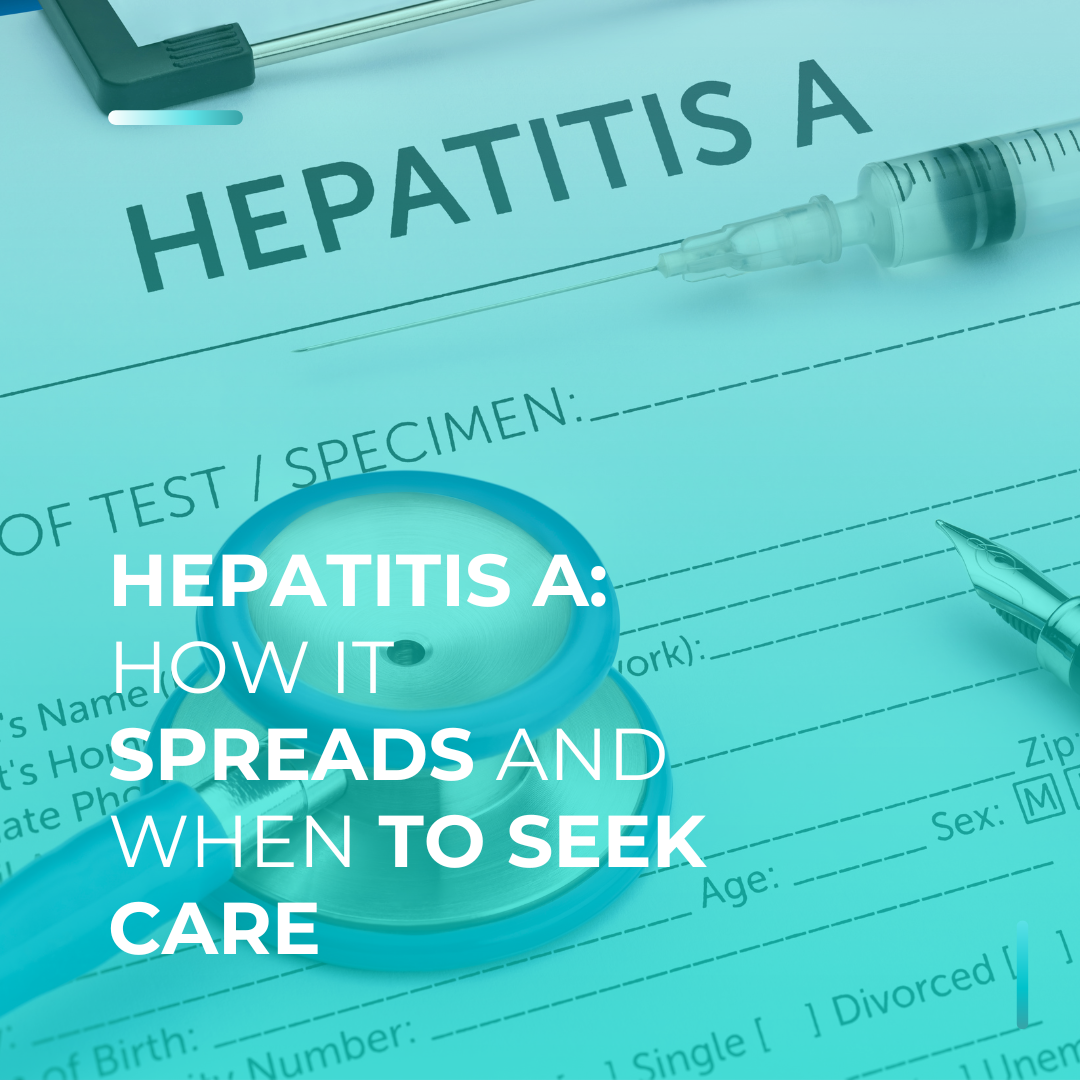
Hepatitis A: how it spreads and when to seek care
Hepatitis A: symptoms, prevention and tests for families

Hepatitis A is a liver infection that spreads mainly when the virus reaches the mouth through contaminated hands, food or water. To protect your family, handwashing, food safety and vaccination when appropriate all matter. If someone at home is diagnosed, or you notice yellow eyes, dark urine and illness, seek medical advice. At Bioclinic, we explain what to watch for and how blood tests can contribute to an assessment. www.cdc.gov
Hepatitis A: symptoms, prevention and tests for families
Most people recover, but some develop severe illness. Unlike hepatitis B and C, hepatitis A does not cause chronic infection. Older adults and people who already have liver disease have a greater risk of complications. You can learn more in the WHO fact sheet on hepatitis A.
How does it spread within a family?
The virus spreads through the fecal-oral route. Microscopic amounts of stool from an infected person can contaminate hands, objects, food or water and reach another person’s mouth. This may happen while changing diapers, helping someone use the bathroom or preparing food without proper handwashing.
Close contact can also allow transmission. A person can pass on the virus even without symptoms, so looking well does not necessarily mean someone cannot spread it. Hand hygiene should be a regular part of family routines, including when caring for children or an unwell relative.
Which symptoms should you recognize?
Symptoms may begin several weeks after exposure. Costa Rica’s Ministry of Health describes an average incubation period of 14–28 days, although the range can be wider. Symptoms do not necessarily begin the day after eating a particular food. ministeriodesalud.go.cr
Watch for:
- Tiredness, fever and loss of appetite.
- Nausea, vomiting or abdominal pain.
- Dark urine and unusually pale stool.
- Yellow skin or eyes, known as jaundice.
Young children may have mild symptoms or none at all. Adolescents and adults are more likely to feel ill. These signs can also have other causes: symptoms alone cannot confirm hepatitis A, and a healthcare professional must consider the full picture. www.cdc.gov
When should you seek medical care?
Seek advice if you develop yellow eyes, very dark urine or compatible symptoms, especially after a known exposure. Vomiting that prevents drinking, confusion, unusual drowsiness or significant deterioration calls for urgent attention. Do not wait for a laboratory request before getting help. www.emro.who.int
Contact a healthcare service promptly if someone in your household has been diagnosed, even if you feel well. The aim is not simply to find out whether you are infected, but to assess whether preventive action after exposure could still help you.
Which tests might be requested?
Assessment considers symptoms, medical history and possible contact with an infected person. If a recent infection is suspected, a healthcare professional may request IgM antibodies against hepatitis A virus in blood. An isolated result does not replace a medical diagnosis. www.cdc.gov
IgG antibodies usually indicate protection from a previous infection or vaccination. A positive total antibody result cannot, by itself, distinguish a recent infection from a past infection or a response to vaccination. Tell your healthcare professional about any recent vaccination.
If you need medical tests in Talamanca, ask us about the immunology tests available at our laboratory and their requirements. The appropriate test depends on what your healthcare professional needs to investigate.
ALT and bilirubin may also be requested to assess liver abnormalities. Our liver function panel includes these types of measurements, but does not identify hepatitis A virus on its own. Routine testing of every healthy person is not recommended.
Can vaccination help after a household exposure?
Timing matters. The CDC guidance on hepatitis A prevention explains that vaccination and, for some people, immune globulin may help prevent illness when given promptly, within two weeks of exposure. The appropriate approach depends on age, vaccination history and health status, including any underlying liver condition.
Contact a healthcare service to find out what is appropriate and available in Costa Rica. Do not wait for symptoms or arrange a test on your own before asking for advice. The useful window for preventive action may be shorter than the time it takes symptoms to appear. www.cdc.gov
How can you reduce the risk at home?
- Wash hands with soap and water after using the bathroom, changing diapers or caring for someone who is ill, and before preparing or eating food.
- Clean and disinfect toilets, sinks and frequently touched surfaces.
- Wash food properly and use safe water.
- If you have compatible symptoms, avoid preparing food for others and seek advice.
- Ask a healthcare professional whether you need hepatitis A vaccination.
These measures are consistent with the Costa Rican Ministry of Health’s prevention recommendations, published in Spanish.
How is hepatitis A treated?
There is no specific antiviral treatment. Care usually focuses on hydration, nutrition and rest; severe cases may require hospitalization. Avoid alcohol and ask before taking medicines, supplements or herbal remedies, because some can harm the liver. If you take regular medication, seek advice before changing it. Recovery can take weeks and sometimes months. www.niddk.nih.gov
Information for families in our community
In August 2026, Costa Rica’s Ministry of Health reinforced prevention advice after reporting outbreaks in parts of San José. A CDC notice reviewed in September 2026 also stated that most reported cases were in that province. These dated reports do not establish a specific outbreak in Limón.
At Bioclinic, we support families in Limón centro and Talamanca with information and laboratory testing. If you are looking for healthcare services in Puerto Viejo, contact our team about laboratory services and preparation. We can explain the requirements for your requested tests. After an exposure or if warning signs appear, timely medical assessment comes first.
BLOG
Hepatitis A: cómo se transmite y cuándo consultar
October 15, 2026
Riesgo de ETS: por qué hacerte los análisis a tiempo
October 02, 2026
Leptospirosis en Limón: prevención y síntomas
September 17, 2026
Lp(a) y ApoB: qué revelan sobre el riesgo cardiovascular
September 09, 2026
Ferritina baja: falta de hierro incluso sin anemia
September 01, 2026